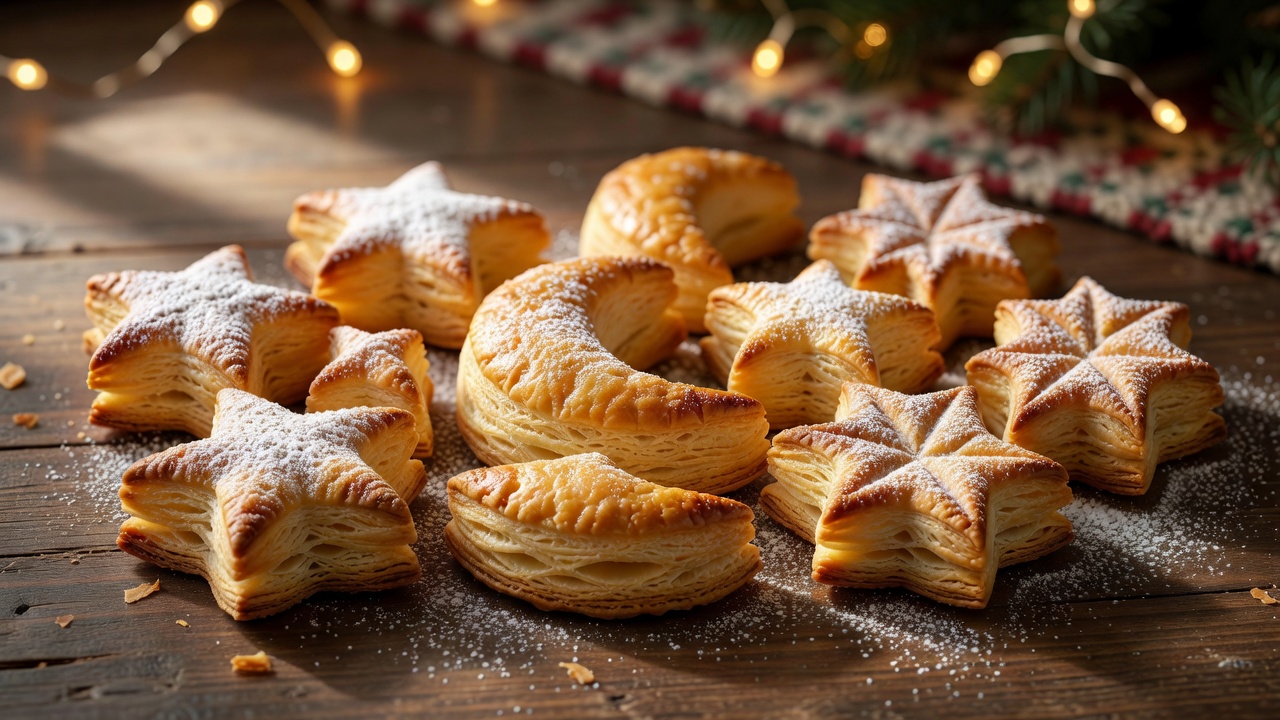
Let cooling be part of the recipe
Oven time is not the full baking schedule. A bake may need to settle in its tin, cool on a rack or reach room temperature before it can be cut. Rushing this stage can damage its structure or cause a topping to melt. Build cooling and decoration into your plan, especially if the counter will also be used for savoury preparation.
Use clean surfaces and avoid placing hot tins where they can be knocked or where children may reach them. Keep raw dough and ingredients separate from finished foods. When the recipe contains raw flour or egg, do not taste uncooked batter or dough; follow safe handling advice for those ingredients.
When a bake is ready to keep, its storage depends on what it contains. A plain dry biscuit, a fruit-filled pastry and a cream-topped cake are not interchangeable storage cases. Use the source recipe's directions, package advice for ingredients where relevant, and current local safety information. If the recommended storage is unclear for a perishable filling, seek reliable guidance rather than guessing.
For gifting, let the bake cool fully before packing so trapped warmth does not create excess moisture. Choose clean food-safe packaging and tell recipients about ingredients that may matter. Keep allergy information accurate; do not make a broad safety assurance unless you can verify the preparation and ingredient history.
A make-ahead bake without the rush
Choose a bake whose method genuinely permits advance preparation. Separate the work into stages: prepare dough, chill if directed, bake, cool, finish and store. Mark what can be done earlier and what must wait. The point is not to bake everything far in advance; it is to distribute effort while keeping quality and safe storage in view.
Use the starter guide for savoury food planning and the leftovers guide for post-meal handling. Keep the recipe's own amounts and figures intact, and let its tested directions—when supplied by its publisher—lead the bake.