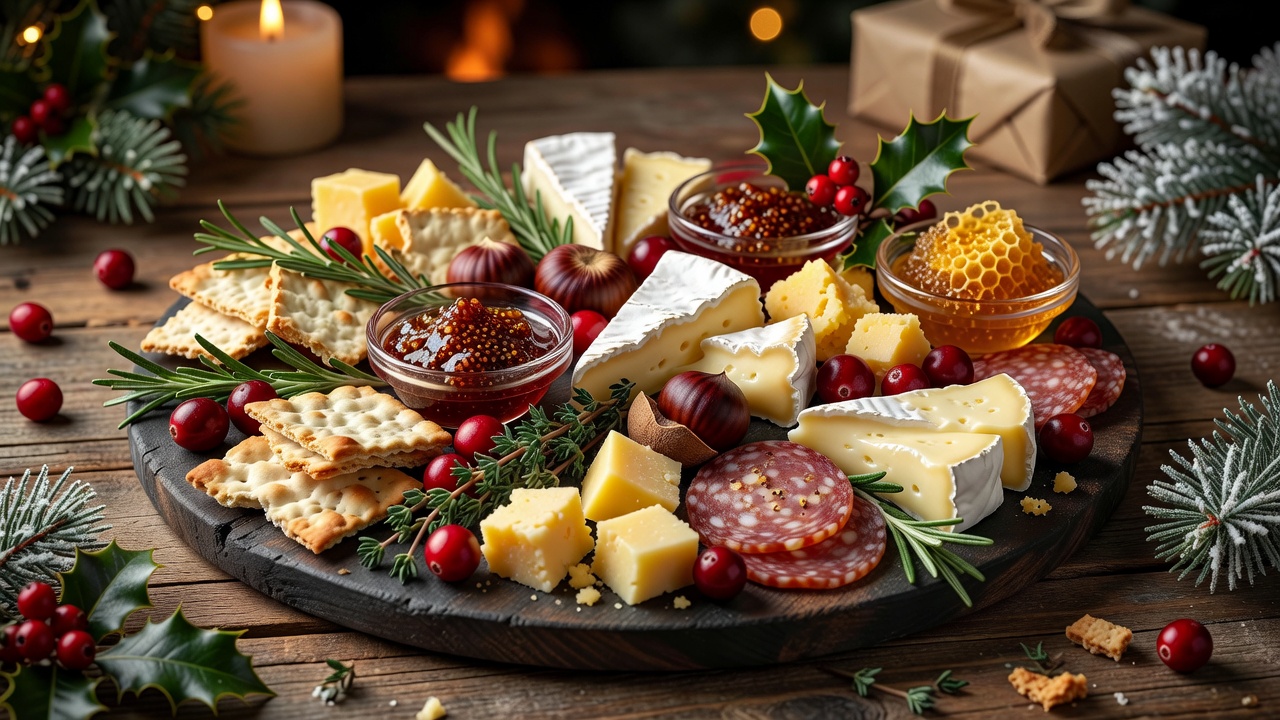
Begin with something to share

Starters • place in the meal • make-ahead thinking

A starter has a particular job: welcome people, give the cook a manageable first course, and leave room for what follows. It need not compete with the main dish. A small spread of crisp, creamy, sharp and savoury elements can feel generous while allowing guests to choose their own pace. The useful question is not “How elaborate can it be?” but “What can be served safely and comfortably in this kitchen?”

This guide is for home cooks choosing food to share at a festive gathering. It separates practical planning from recipe specifics: ingredients and serving quantities depend on the recipe you select, the number of guests and the rest of the menu. No fixed yields or timings are supplied here, so use your chosen recipe for those figures rather than guessing.

Choose a starter by its role

Ready to put out

A board of suitable cheeses, breads, fruit, pickles and dips can reduce last-minute cooking. Keep chilled ingredients cold until close to serving, and arrange only what guests are likely to eat soon. Replenish from refrigerated reserves rather than leaving the whole supply at room temperature for an extended gathering.

Warm and welcoming

A baked pastry bite, roasted vegetable dish or small bowl of soup brings warmth, but it asks for oven or hob space at a particular moment. Consider whether the item can be cooked ahead and safely reheated according to its recipe, or whether another course already occupies the appliance.

Fresh and balancing

A crisp salad, citrus, herbs or a sharp relish can balance richer dishes. Wash produce under clean running water and prepare it on a clean surface. Keep ready-to-eat ingredients away from raw meat, poultry, seafood and their juices.

A calm preparation sequence

First settle the menu and check whether any guest has shared an allergy or dietary requirement. Ask specific questions rather than assuming a dish is suitable from its name. Read ingredient labels, including packaged sauces, breads and garnishes, and take care to avoid cross-contact when that matters. A separate clean board and utensils can help, but follow the relevant allergy advice and the guest's needs.

Next, identify which items can be made or assembled ahead. The answer depends on the individual food: some preparations benefit from chilling or resting; others lose their texture if dressed too early. Make a short written list with three columns—prepare ahead, finish shortly before serving, and keep chilled or hot. This is a planning aid, not a substitute for the recipe's method.

Set out serving plates, spoons and labels before cooking begins. Give each dish its own serving utensil where possible. If a shared board includes foods that need refrigeration, use smaller batches and replenish as needed. Keep raw-food tools separate from equipment used for cooked or ready-to-eat items. Wash hands and clean surfaces after handling raw ingredients.

For a warm starter, include oven space in the wider meal plan. Do not assume that a dish can share a shelf or temperature setting with another recipe: cookware, air circulation and the instructions can differ. A starter that can be served at room temperature may be a useful alternative, provided the recipe and food-safety requirements allow it.

Build a simple sharing board

Illustrative ingredient groups — not a fixed recipe

  • Bread, crackers or another suitable base
  • A savoury spread or dip
  • Fresh or roasted seasonal vegetables
  • A crisp or pickled contrast
  • Optional cheese, fruit or herbs
Preparation figure: follow the selected recipeYield: choose to suit your menuHandling: keep perishable items appropriately chilled
Method and serving notes

Choose items with different textures and flavours, check every label and prepare on clean equipment. Arrange a modest amount for the first serving, keep reserve portions covered and refrigerated where needed, and replenish the board rather than leaving chilled food out for the whole event. Put serving utensils beside their dishes and identify foods clearly when guests may need ingredient information.

Let the main course keep its place

A starter is part of the meal's rhythm. If the main course is substantial, a lighter opening can leave guests comfortable. If the gathering is long and informal, a more varied grazing table may be right, but then keep track of how long perishable dishes have been out and follow current local safety recommendations. There is no universal menu size: appetite, occasion and the following courses all matter.

Consider accessibility too. Place bowls and boards where guests can reach them without crowding a hot cooking area. Keep drinks and plates within easy reach, and avoid arranging delicate garnishes where they may be knocked over. A clear serving route makes a modest spread feel thoughtful.

After the course, deal with food promptly. Separate untouched reserve food from items that have been on a communal serving dish, and make storage decisions in line with the type of food and local guidance. Mark containers so the next cook knows what is inside. If something has been handled or held in conditions that leave its safety uncertain, do not treat it as a candidate for later meals.

The reliable way to make it festive

Choose a starter you can explain, prepare and serve with confidence. A familiar recipe with a carefully planned finish often makes more sense than a complicated dish that monopolises the oven. Keep the source recipe close, respect its quantities and instructions, and use the planning notes here to decide when each task belongs in the wider celebration.

For a broader schedule, pair this page with the main-course guide and festive baking guide. For food after the gathering, see making the next meal count.