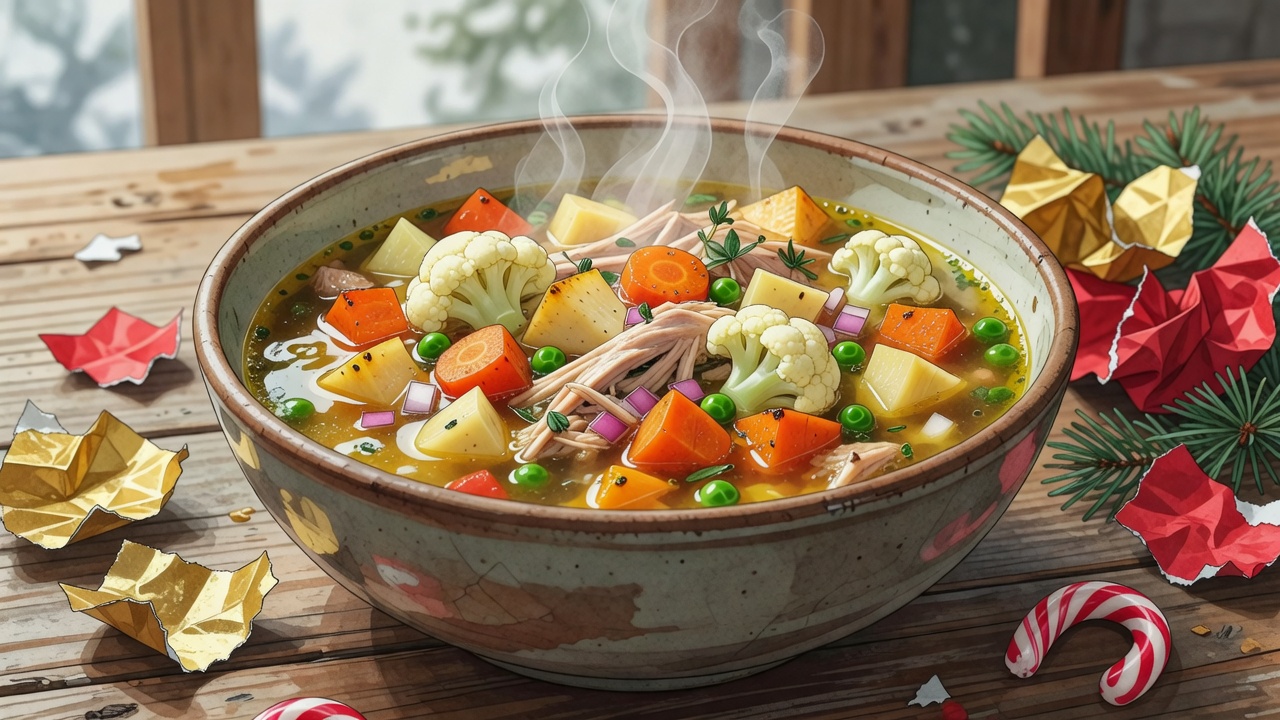
Make the next meal count

After the feast • safe storage • useful second meals

Leftovers can make the day after a celebration easier, but only when their handling history is clear. The next meal begins when food leaves the table: decide what can be kept, cool and store it in line with current local guidance, and label containers so nobody has to guess later. This guide focuses on the decisions around leftover food rather than offering a universal storage duration.

Different ingredients and dishes have different requirements. Cooked meat, rice, dairy-based sauces, cut produce, baked goods and assembled dishes should not be treated as one category. Follow authoritative local food-safety recommendations and any recipe-specific storage instructions. If the food's time or temperature history is unknown, do not rely on appearance or smell alone.

Start with handling, then choose a dish

Separate reserve food

Where possible, set aside portions intended for storage before serving begins, using clean utensils and covered containers. Food that has been on a shared serving dish may have a different handling history from untouched reserve food.

Cool and refrigerate appropriately

Follow current local guidance for cooling and refrigeration. Dividing a large amount into smaller, shallow containers can help it cool more efficiently. Do not leave perishable food waiting on a counter while the kitchen is cleared.

Plan the next use

Choose a meal that suits the food's safe storage history. A sandwich, soup, salad or pie may be an idea, but the dish must still be prepared, stored and reheated safely for its ingredients.

A clear container is a useful label

Use food-safe containers that are clean and in good condition. Divide large quantities rather than placing one dense, deep mass in a container, so cooling can happen more effectively. Cover food as appropriate and refrigerate promptly in accordance with local guidance. Do not put hot cookware directly into a refrigerator if the appliance instructions warn against it; transfer food safely to suitable containers and follow trusted cooling advice.

Mark each container with its contents and the date it was prepared. If components are mixed, list the important ingredients, especially allergens, so the next person handling the food has useful information. Labels are not just for organisation: they help prevent mystery containers from becoming a risky guessing game.

Keep raw ingredients separate from cooked leftovers, and store containers so raw juices cannot drip onto ready-to-eat food. Clean hands, boards and utensils between tasks. If a dish is being divided among several containers, work cleanly and avoid leaving the remainder at room temperature while you take a long break.

Use the time limits and temperature recommendations issued by a suitable local food-safety authority. Those figures can vary with the food, jurisdiction and handling conditions, so this general guide does not invent a single storage window. When in doubt, check official current advice for the particular food and your location.

A second-meal planning panel

Flexible ingredient groups — use only food stored safely

  • Cooked vegetables or other suitable components
  • Grain, bread or pastry selected for the new dish
  • Fresh additions handled safely and kept appropriately chilled
  • Seasoning or sauce suitable for the ingredients
Storage duration: current local guidanceReheating: food-specific instructionsYield and time: follow the selected recipe
Rework without losing track

Check the label and storage history before using anything. Build the new dish around compatible ingredients, avoid repeatedly warming and cooling the same food, and follow reliable guidance for thorough reheating where required. Serve promptly and handle any new leftovers as a fresh storage decision.

Make a new meal, not a safety guess

Leftover vegetables can be folded into a dish, placed in a sandwich or blended into a soup if they remain suitable for use. Cooked meat can be incorporated into another meal only when it has been handled and stored correctly. When reheating is appropriate, heat the food according to current official guidance and any instructions for the recipe. A lukewarm centre is not a reliable goal, and reheating does not reverse unsafe storage.

Think about texture as well as safety. Crisp pastry may soften in a covered container, while a sauce may thicken in the refrigerator. Add fresh ingredients only when their own handling is safe, and keep delicate components separate until serving. Use the source recipe for exact ingredient quantities, cooking instructions, timing and yields rather than improvising safety-critical numbers.

Some items are better enjoyed as they are; others may work as fillings or toppings. Do not combine foods with uncertain histories into a fresh dish in hopes that cooking will make them safe. If there has been a power interruption, a refrigerator fault or an extended period outside controlled storage, consult authoritative guidance specific to that situation and discard food when advised.

Food waste matters, but preventing illness matters more. A clear record of what was cooked, cooled and stored makes the decision easier. Where that record is missing, be conservative. Do not offer questionable food to guests, children or anyone who may be more vulnerable to foodborne illness.

Set up the next cook

Before putting food away, leave the kitchen ready for the following meal. Clean and sanitise appropriate surfaces, store utensils, and place labelled containers where they can be identified without disturbing raw ingredients. Keep the fridge organised and avoid overpacking it in a way that interferes with safe operation.

For the meal before leftovers, read the festive main-course guide. If you are planning a shared opening course, visit the starters guide. Together, the guides place food safety and realistic kitchen order beside the pleasure of making a good meal.